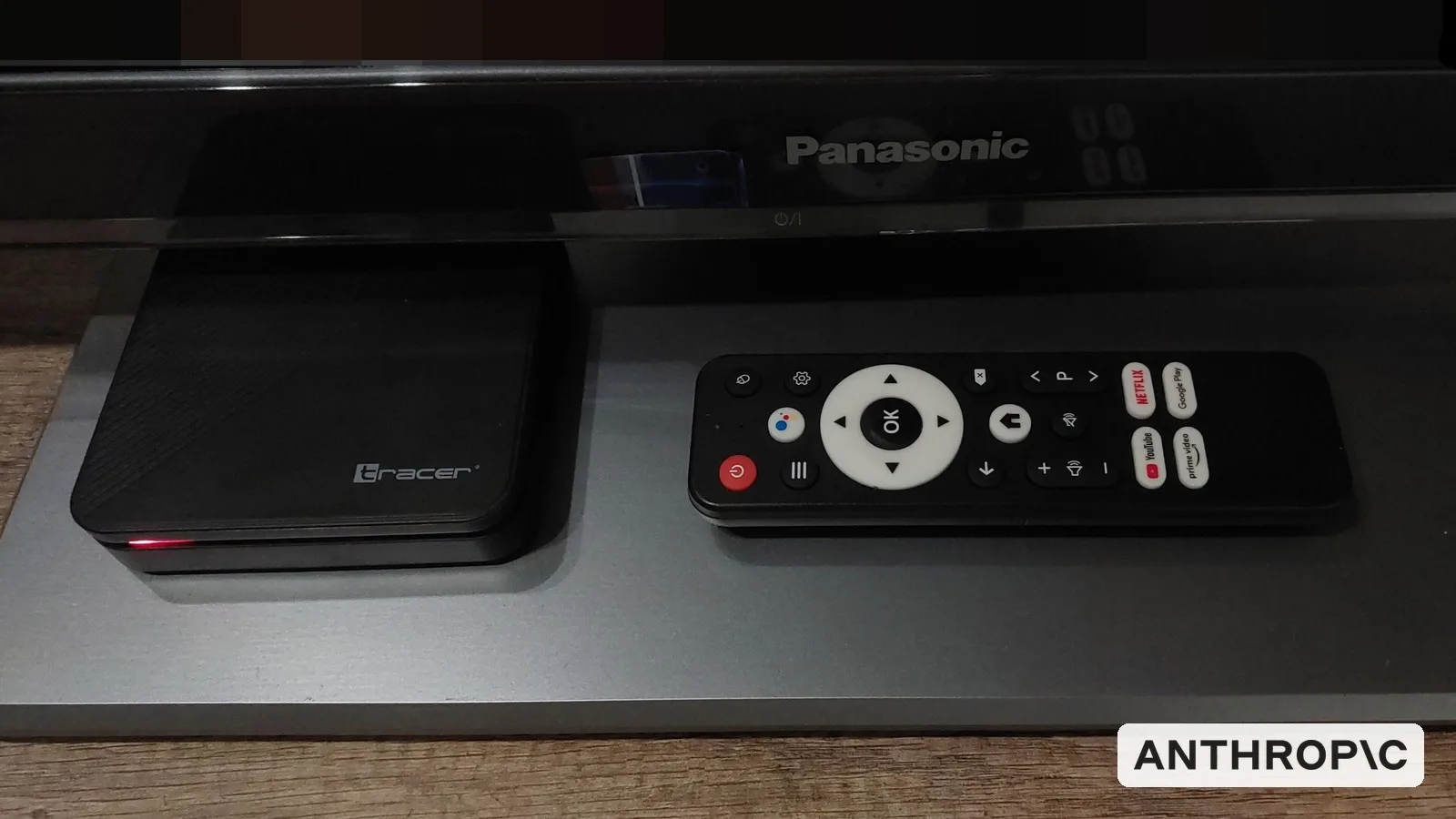
Anthropic: small AI models may soon self-replicate on IoT devices like smart TVs
Anthropic researchers say models under 30 billion parameters can already complete many steps of autonomous replication, and that small open-weight models could match end-to-end replication capability by the end of 2026. In their tests, a 9B model got inference running on 8 of 9 hardware types.
ResearchOct 12, 20261 source
OpenAI's dump of 700+ AI math manuscripts sparks backlash from mathematicians over wiped-out research programs
NYU's Tristan Buckmaster says whole early-career research programs were wiped out by OpenAI's October 6 release of more than 700 AI-generated mathematical manuscripts. Others warn the volume threatens collaborative norms.
ResearchOct 12, 20261 source
From neural solvers to a contested Millennium Prize claim: how AI is taking on the Navier-Stokes equations
Machine learning has spent years speeding up approximate solutions to the equations that govern fluid flow. In 2026 it reached the underlying math: OpenAI says one of its systems settled the Navier-Stokes Millennium Prize problem, and the Clay Mathematics Institute says its review will be "deliberately unhurried."
ResearchOct 12, 202613 sources
As Category 4 Hurricane Simon skirts Mexico, forecasters weigh Google DeepMind's AI model alongside physics-based guidance
Hurricane Simon, the only tropical cyclone active in the Atlantic, East Pacific and Central Pacific on October 11, is brushing west-central Mexico. In its latest discussion the National Hurricane Center cited Google DeepMind's AI model alongside the European ensemble as supporting its track forecast.
ResearchOct 11, 20269 sources
Meta, MIT and UW researchers unveil 'Context Language Models' that edit their own context
Researchers from Meta, MIT and the University of Washington describe Context Language Models, which manage and edit their own context instead of relying on fixed summarization or retrieval, and report higher accuracy with less compute.
ResearchOct 11, 20261 source
Nature study shows existing language models can be cheaply converted to read raw bytes
Researchers led by the Allen Institute for AI describe 'byteification', a two-stage method that retrofits standard language models to work on raw bytes instead of word-piece tokens. The converted models came close to their originals and beat earlier byte-level models of similar size.
ResearchOct 7, 20261 source