Hot US inflation report sends AI stocks tumbling, erasing about $80 billion led by CoreWeave
CoreWeave fell 16%, Nebius 11%, Oracle 9% and Dell 11% on Wednesday after a hot US inflation report stoked worries about borrowing costs in the debt-heavy AI build-out, Reuters reported.
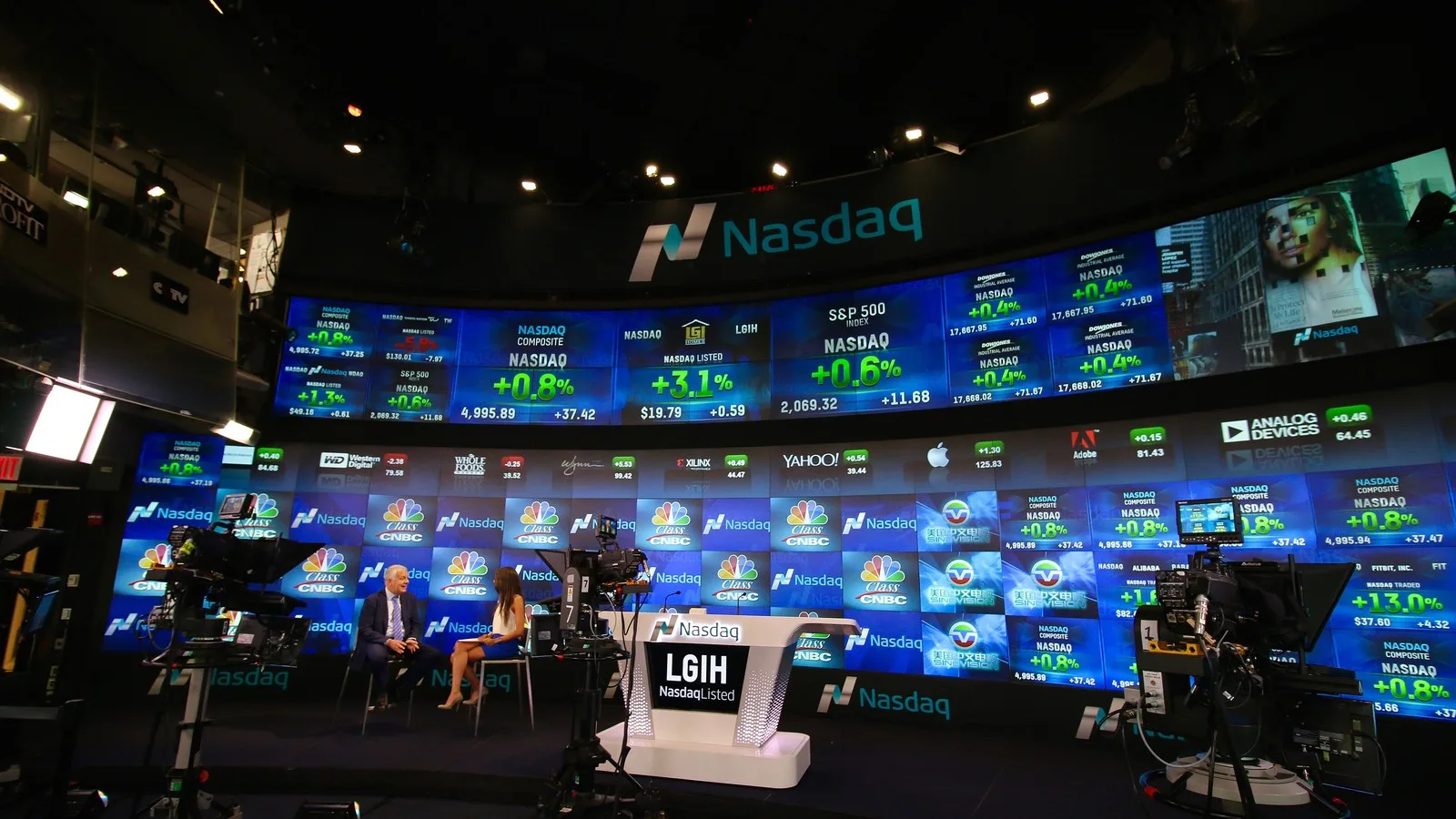
Photo: Luca Marfè at Italia all'ONU / Wikimedia Commons, CC BY 2.0
Major AI stocks slumped on October 14 following the latest hot US inflation report, Reuters reported, highlighting investor concern about the risks of rising borrowing costs in the capital-intensive sector. Among the leading decliners were data center operator CoreWeave, down 16%, AI infrastructure provider Nebius, off 11%, Oracle, down 9%, and AI server seller Dell Technologies, down 11%. Together the declines erased some $80 billion of market value, according to Reuters.
Barclays downgraded Dell and two other enterprise hardware stocks on Wednesday, noting that Dell shares have quadrupled this year. Selling was particularly intense in CoreWeave, which has issued $22 billion of bonds and $26 billion of loans, according to LSEG data cited by Reuters; a CoreWeave bond issued in June yielding 9.625% recently yielded 15%. CoreWeave CEO Mike Intrator said in an internal memo that the market is acting "irrationally" and that he remains confident in the company, Bloomberg reported, according to Reuters.
US interest rates rose after the inflation report, pushing the 30-year yield as high as 5.63% before rates pulled back sharply in the afternoon. "I do think long rates above 5% and creeping towards 6% is a problem for the marginal borrower," said Ross Mayfield, investment strategy analyst at Baird. The Nasdaq was down 2% on Wednesday afternoon, with Alphabet and the other major hyperscalers mostly down around 2% and SpaceX down 3%, Reuters reported.
Jed Ellerbroek, portfolio manager at Argent Capital Management, told Reuters that SpaceX has joined Meta, Microsoft, Google and Amazon in a group of five companies spending about 75% of the money being invested in US data centers, and that investors remain wary of the build-out without panicking: "Investors have definitely not lost their minds. They're being very cautious and I think selective."